
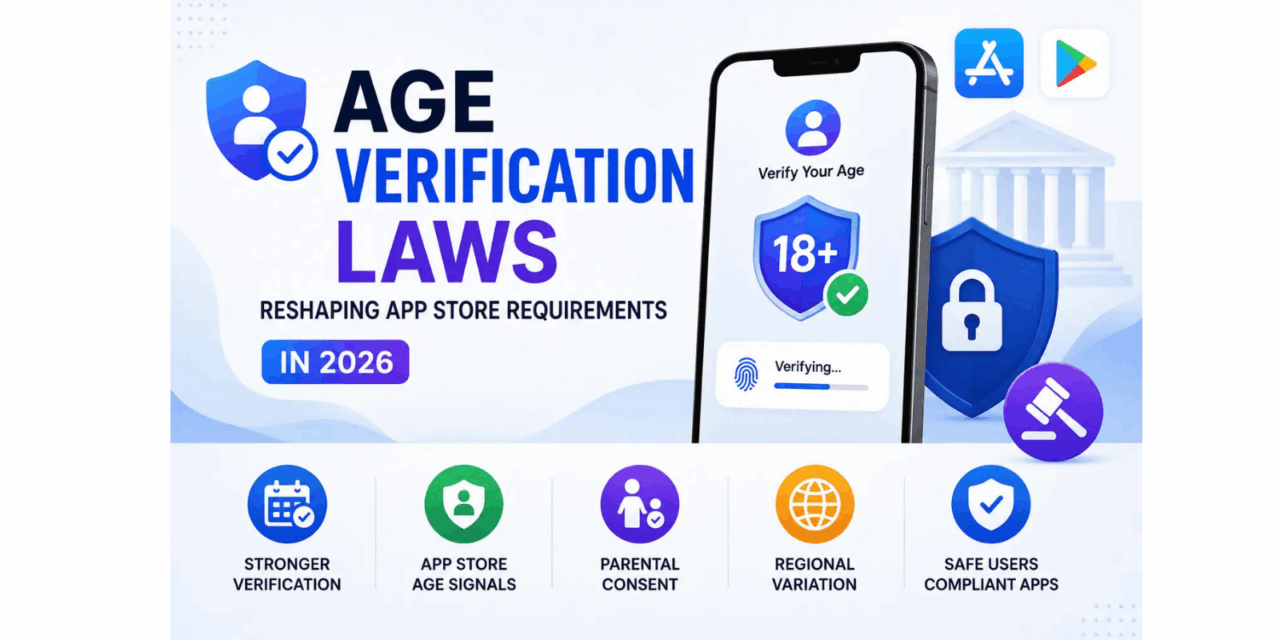
Verifying a user’s age used to mean little more than a simple self-reported birthdate field that anyone could enter falsely without any real consequence, but a genuinely expanding set of regional laws focused on protecting minors online has pushed both Apple and Google toward requiring more robust age verification and parental consent mechanisms throughout 2026. This shift carries real practical implications for developers, particularly those building apps that could plausibly attract younger users even without specifically targeting them, making an understanding of these changing requirements genuinely important regardless of an app’s primary intended audience. Even developers confident their app has no youth appeal at all should stay generally aware of this trend, since regulatory definitions of what counts as attractive to minors have proven broader than many developers initially assumed.
Beyond Simple Self-Reported Birthdates
Regulations increasingly require genuinely more robust age verification methods beyond a simple self-entered birthdate, in some cases involving app store-level age signals or third-party verification services that developers now need to integrate with directly.
App Store-Level Age Assurance Systems
Both Apple and Google have introduced platform-level age signal systems that let developers request a verified age range for a user directly from the operating system, shifting some verification burden to the platform rather than requiring every individual app to build its own system.
Parental Consent Requirements for Minors
Apps determined likely to be used by minors increasingly need genuine parental consent mechanisms before collecting certain types of data or offering specific features, adding real development and compliance work beyond a simple age gate.
Regional Variation Creates Real Complexity
Age verification requirements vary meaningfully by region, meaning developers operating globally increasingly need to navigate genuinely different compliance requirements across markets rather than implementing one universal approach everywhere.
The practical impact for developers has been a genuine increase in both technical integration work, connecting to platform-level age signal APIs, and legal complexity, understanding which specific regional requirements actually apply to a given app’s user base and feature set. Smaller developers without dedicated legal or compliance resources face a genuinely higher relative burden navigating this patchwork than larger companies with teams specifically tracking regulatory changes across regions, a pattern consistent with other recent regulatory shifts discussed in earlier coverage of app store compliance trends. Apps that could plausibly attract younger users, even without specifically targeting them, are increasingly expected to implement genuine age assurance measures proactively rather than waiting for a specific regulatory complaint or enforcement action to prompt reactive changes. Consulting directly with legal counsel familiar with each specific target region remains genuinely worthwhile for any app with a meaningful user base spanning multiple countries, since the cost of that consultation is typically far smaller than the cost of a genuine compliance misstep discovered later.
Age verification requirements have genuinely moved well past a simple self-reported checkbox, requiring real technical integration and legal awareness from developers across an expanding set of regional laws focused on minor safety. Developers building anything that could plausibly reach younger users should treat proactive age assurance compliance as a genuine priority now, rather than assuming an app’s primary intended audience alone exempts it from these increasingly serious requirements. Reviewing platform-level age assurance documentation directly, rather than relying on secondhand summaries, remains genuinely worthwhile given how quickly specific regional requirements continue to shift throughout the year.