
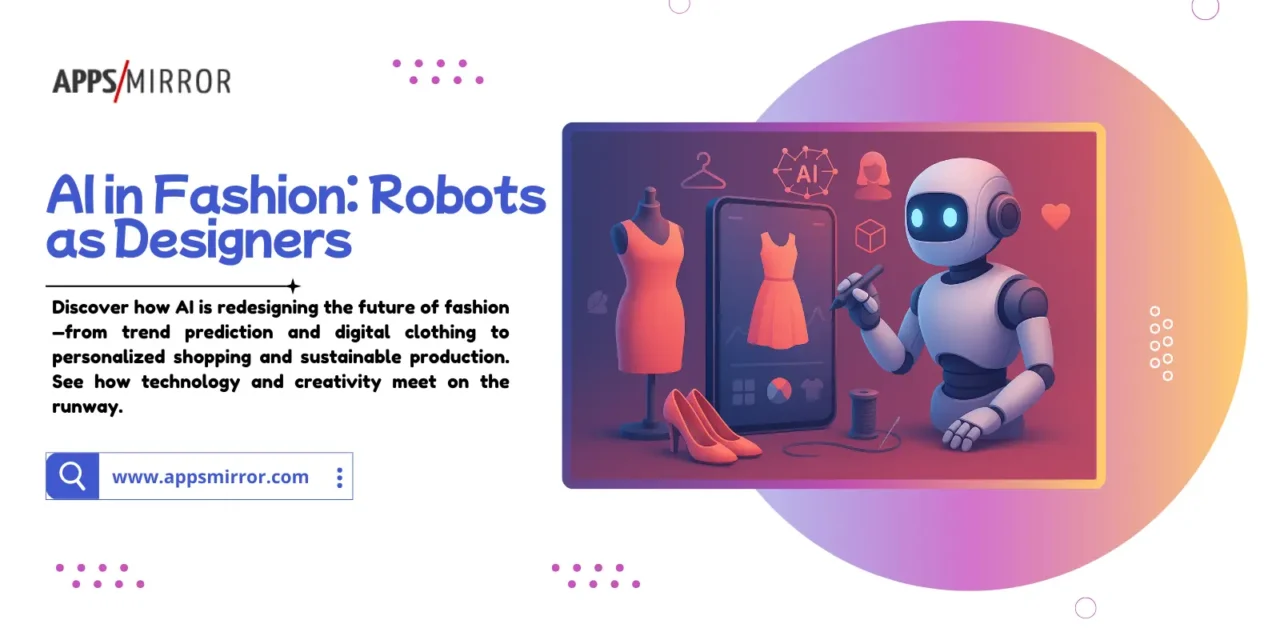
When Algorithms Meet the Runway
Fashion has always thrived on creativity, culture, and trends. But in recent years, data and technology have started to influence how clothes are designed, produced, and sold. Now, artificial intelligence (AI) is stepping onto the runway, not just as a backstage tool but as a designer, stylist, and trend predictor. From AI-generated clothing lines to algorithms curating personal wardrobes, fashion is being reshaped in ways that blend art with science.
For Gen-Z shoppers who live at the intersection of individuality and digital culture, AI-driven fashion feels both futuristic and personal. The question is: can robots truly capture human creativity, or will they just become tools that amplify it?
Designing With Data
Traditional fashion design depends on intuition, inspiration, and market research. AI adds a new dimension—data-driven creativity. By analyzing millions of social media posts, shopping histories, and fashion archives, AI systems can detect emerging trends faster than any human eye.
Industry leaders like Google’s Project Muze and IBM Watson for Fashion have already shown how algorithms can help design color palettes, patterns, and full collections.
Some brands are experimenting with AI-generated digital fashion, such as The Fabricant , where entire clothing lines are designed algorithmically. Designers then refine these suggestions, creating collections that are both creative and data-backed.
Instead of replacing designers, AI is becoming a collaborator—offering insights and inspiration from a global perspective.
Personalized Shopping Experiences
AI is revolutionizing not just design, but also how we shop.
Platforms like Stitch Fix and Zalando use machine learning to recommend outfits tailored to your body type, preferences, and even upcoming events in your calendar.
Imagine an app that knows you have a wedding next month and automatically curates budget-friendly outfits. This isn’t the future—it’s happening now.
These personalized shopping experiences:
-
Reduce returns
-
Improve fit accuracy
-
Minimize fashion waste
And for shoppers, they make the process feel highly curated and personal.
Sustainability and Smart Production
One of the fashion industry’s biggest challenges is sustainability. Fast fashion has fueled enormous waste, with millions of garments ending up in landfills.
AI offers solutions.
Organizations like the Ellen MacArthur Foundation and Fashion for Goodhighlight how AI improves sustainability by:
-
Predicting demand accurately
-
Reducing overproduction
-
Optimizing fabric use
-
Tracking ethical sourcing
-
Enabling garment recycling
Robotic systems from innovators like Sewbo and Lectra automate production while minimizing waste and maximizing precision.
AI isn’t just designing fashion—it’s cleaning up the industry.
The Challenges of AI Fashion
With all this innovation, important concerns remain:
Loss of Human Touch
Can algorithms replace the emotional depth and storytelling of human designers?
Bias in Data
AI models can reinforce stereotypes if trained on narrow datasets.
Publications like MIT Technology Review highlight the risks of bias in AI across industries.
Job Shifts
Automation may change roles in design, retail, and manufacturing.
Over-Reliance on Data
Fashion thrives on spontaneity; AI could make trends too predictable.
The industry must ensure AI supports, not overrides, human creativity.
Who’s Leading the Change
Major brands and startups are experimenting with AI:
-
Zara and H&M use AI for inventory and supply chain optimization.
-
The Fabricant leads in digital fashion for the metaverse.
-
Meta develops avatar clothing for virtual worlds.
-
Snapchat’s AR try-on technology powers virtual fitting rooms.
Luxury brands are also exploring AI stylists and virtual try-ons, blending heritage with innovation.
What the Future Holds
The future of AI in fashion is interactive and hyper-personalized:
-
Virtual wardrobes that evolve with your preferences
-
AR mirrors that let you try on outfits instantly
-
AI assistants giving styling advice in real time
-
Designers using AI tools to visualize collections in 3D
-
Digital fashion rising through platforms like DressX
As the metaverse expands, AI will power clothing for avatars—creating new markets and identities in virtual spaces.
Technology for Good
The promise of AI in fashion isn’t about replacing designers—it’s about amplifying creativity, sustainability, and personalization.
By reducing waste, helping consumers shop smarter, and inspiring designers with new tools, AI can help fashion evolve into a more responsible and inclusive industry.
Used responsibly, AI won’t take the magic out of fashion.
It will give designers new ways to express identity, culture, and creativity in a world where style meets technology.