From Stadiums to Virtual Worlds
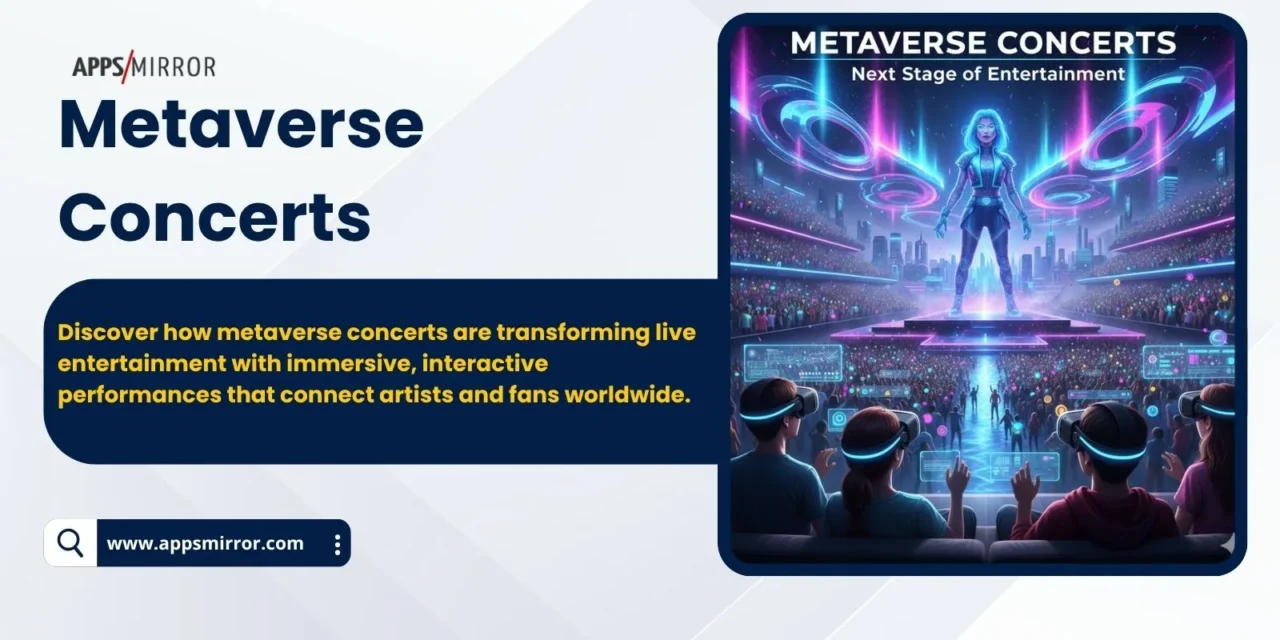
For decades, concerts meant packed arenas, screaming fans, and artists on stage surrounded by dazzling lights. But the entertainment industry is entering a new era where concerts are not confined to physical venues. Welcome to the metaverse, where millions of fans can attend shows without leaving their homes, watching their favorite artists perform in virtual worlds that blend music, gaming, and social interaction.
The concept exploded in recent years with artists like Travis Scott, Ariana Grande, and BTS hosting immersive shows inside platforms such as Fortnite and Roblox. These events didn’t just replicate traditional concerts—they redefined them with floating stages, giant avatars, and audience participation at a scale physical venues could never handle.
Why Fans Are Hooked
Metaverse concerts offer a level of accessibility that traditional live shows cannot match. A teenager in India and a college student in Brazil can attend the same virtual show at the same time, eliminating geographical barriers. Ticket prices are often lower than in-person concerts, and some events are even free, making them more inclusive.
The experience itself is different too. Fans don’t just watch; they interact. They can chat with other attendees, design their avatars, and sometimes even influence the show in real time. For Gen-Z and younger audiences already immersed in gaming and digital culture, this feels like a natural evolution of entertainment.
How Artists Benefit
For artists, metaverse concerts open up massive opportunities. Physical venues have capacity limits, but virtual spaces don’t. Travis Scott’s Fortnite concert drew over 12 million live attendees—numbers no stadium on Earth could match. Beyond reach, these shows also create new revenue streams through virtual merchandise, digital collectibles, and sponsorships.
Smaller artists benefit too. Virtual platforms allow independent musicians to perform without the logistics of travel, stage setup, or high production costs. With the right tools, even emerging artists can reach global audiences.
The Tech Behind the Magic
Metaverse concerts are powered by a mix of gaming engines, VR/AR technologies, and live-streaming infrastructure. Platforms like Unreal Engine create visually stunning environments, while blockchain and NFTs make digital merchandise tradable. As VR headsets and AR glasses become more mainstream, these concerts will feel less like games and more like fully immersive experiences.
Companies such as Epic Games, Meta, Wave, and Roblox are leading the charge, investing heavily in building virtual entertainment ecosystems. As more tech players enter the scene, expect concerts to become increasingly interactive and hyper-realistic.
The Pros and Cons of Going Virtual
Merits:
- Unlimited audience capacity across the globe.
- Lower costs for fans and artists compared to physical shows.
- Interactive features that make fans feel like part of the performance.
Sustainable alternative—no need for large-scale travel or massive stage setups.
Demerits:
- Lack of physical presence and energy that comes with real-life concerts
- Technical barriers such as VR hardware costs and internet connectivity
- Risks of commercialization and overemphasis on digital merchandise
- Questions about royalties and licensing, and fair revenue distribution
Metaverse concerts are not meant to replace traditional shows entirely, but rather complement them. The hybrid future—where artists tour both physical venues and digital worlds—is already emerging.
What’s Next for Virtual Entertainment
Looking ahead, expect metaverse concerts to become more personalized. Imagine customizing your concert view, interacting directly with a holographic artist, or even joining them on stage as part of the experience. AI could make each performance unique, tailoring visuals and sounds to individual fans.
Concerts may also expand beyond music. Sports, theater, and comedy shows could enter the metaverse, creating all-in-one cultural hubs where people attend multiple events without moving from their couch.
Technology for Good
Metaverse concerts prove that technology can democratize entertainment. They bring world-class performances to people who may never afford or access physical concerts. They reduce the carbon footprint of touring and open new opportunities for artists of all sizes. While nothing can fully replace the magic of standing in a live crowd, the metaverse ensures that music and performance remain accessible, inclusive, and global.