Shopping in the Age of Algorithms
Online shopping has already changed how we buy clothes, gadgets, and groceries. But the rise of Artificial Intelligence (AI) is taking eCommerce to a whole new level.Forget endless scrolling—AI can now predict what you want before you even know it. From personalized product recommendations to AI-powered virtual assistants, AI is reshaping eCommerce into an experience that feels more like a conversation than a transaction.
For consumers, this means convenience and personalization. For businesses, it’s about data-driven insights and efficiency. But it also raises important questions about privacy and the future of human decision-making in shopping.
Personalization at Scale
One of the biggest advantages of AI in eCommerce is personalization. Think of how Netflix recommends shows or Spotify builds custom playlists. The same technology is being applied to online shopping. AI analyzes your browsing history, past purchases, and even how long you look at a product to create a profile of your tastes.
As a result, your shopping feed is curated just for you. For instance, two people searching for “running shoes” may see completely different results based on their activity levels, budgets, and brand preferences. This personalized touch helps customers feel understood, while also boosting sales for retailers.
Smarter Customer Service
AI chatbots are becoming the new face of customer support. Instead of waiting for hours on helplines, shoppers can get instant answers to questions like “Where’s my order?” or “Does this come in another color?” These chatbots are available 24/7, speak multiple languages, and never get tired.
Beyond support, AI-powered assistants can guide you through the buying process—suggesting items, applying discounts, or bundling products based on your needs. This creates a smoother, faster, and more enjoyable shopping experience.
Behind the Scenes: AI in Operations
While customers interact with AI on the front end, much of the transformation happens behind the scenes. AI systems manage inventory, forecast demand, and optimize supply chains. For example, Amazon uses AI to predict what products will be popular and ensures warehouses are stocked in advance. This reduces delays and ensures customers get their orders quickly.
AI is also helping smaller retailers by offering tools that automate marketing campaigns, analyze customer reviews, and adjust prices in real time. In short, AI levels the playing field by giving businesses of all sizes access to powerful data-driven tools.
The Privacy Dilemma
As exciting as AI-driven shopping sounds, it comes with concerns. The more personalized the experience, the more data companies need to collect. From your shopping habits to your location and even browsing behavior, eCommerce platforms often gather information in ways customers may not fully realize.
This raises important questions: How much data should companies be allowed to collect? What happens if that data is hacked or misused? Transparency and strict data protection policies will be crucial to maintaining consumer trust.
Key Players in AI-Powered eCommerce
Tech giants like Amazon, Alibaba, and Shopify are leading the way in AI-driven retail. Amazon’s recommendation engine is legendary for driving sales. Alibaba’s AI systems support live shopping events with millions of viewers. Shopify integrates AI tools for small businesses to run smarter storefronts.
Startups are also innovating—using AI to create “virtual try-on” tools, AR shopping experiences, and even voice-based shopping assistants. These innovations make shopping not only easier but also more interactive and fun.
What the Future Holds
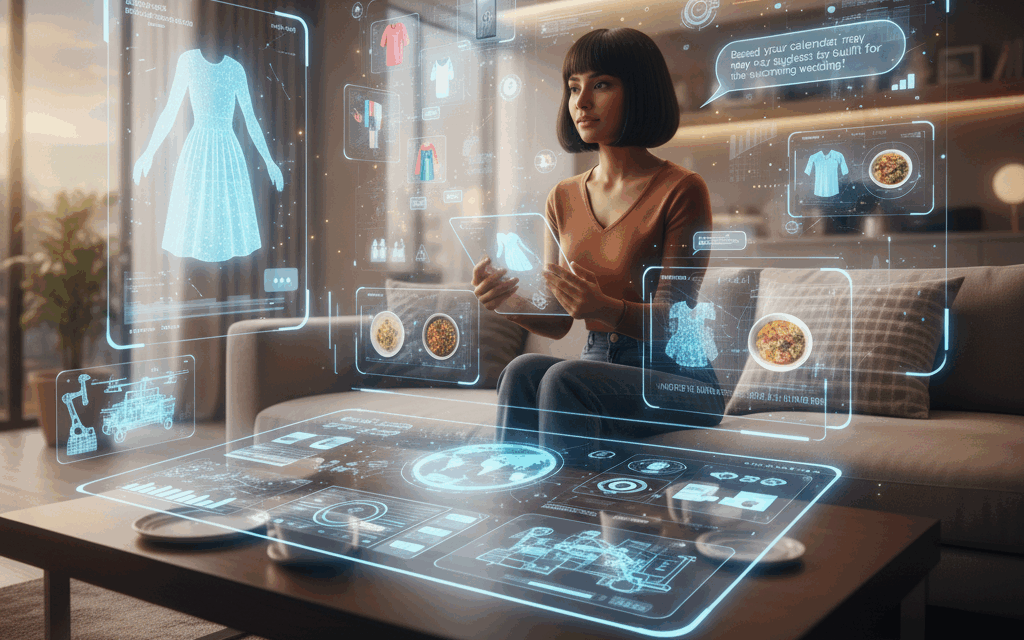
Soon, shopping may become less about searching and more about discovery.imagine an AI stylist that analyzes your calendar, suggesting outfits for upcoming events.Or an AI grocery assistant that automatically orders refills based on your consumption. As Augmented Reality (AR) merges with AI, you could try on clothes virtually or preview furniture in your living room before buying.
The result? eCommerce evolves from transactional to experiential — blending convenience with creativity.
Technology for Good
The ultimate promise of AI in eCommerce is not just about making businesses more profitable. It’s about making shopping easier, smarter, and more inclusive. For busy parents, AI saves time. For people in remote areas, AI-driven platforms ensure access to goods and services. And for small businesses, AI offers affordable tools to compete with giants.
When used responsibly, AI can make online shopping not only smarter but also more human by understanding people’s needs and reducing barriers to access.