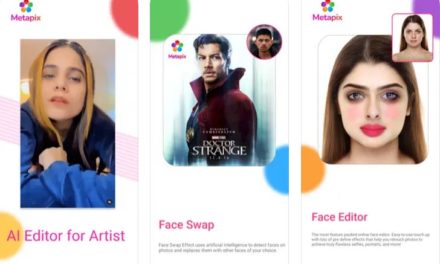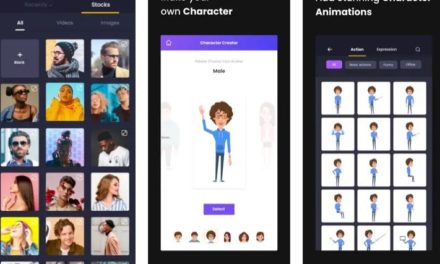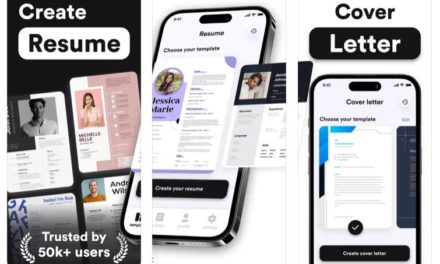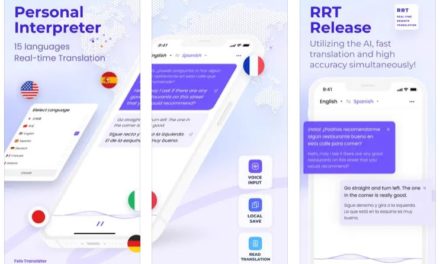
Building even a simple app used to require at minimum a basic understanding of a programming language, a real barrier that kept the total number of people capable of shipping software relatively limited. AI-powered app generation tools have started dismantling that barrier in 2026, letting someone describe an app in plain language and receive a genuinely functional starting version, complete with a basic interface and working logic, within minutes rather than weeks. This shift doesn’t eliminate the need for skilled developers, but it does meaningfully change what the earliest stage of building an app actually looks like, and it’s worth understanding what that means for the wider app market rather than treating it as either pure hype or an existential threat to development as a profession. This shift is already visible across app store submission trends and in how development agencies are pricing their services differently than just a year ago.
Lowering the Barrier to a First Prototype
AI app generation tools let non-technical founders and small businesses produce a working prototype to test an idea or pitch to investors without hiring a developer first, meaningfully lowering the cost of simply testing whether an app idea has legs at all.
Rising App Store Volume and Discoverability Pressure
As more apps get built faster, app stores are seeing genuinely higher submission volume, which puts additional pressure on discovery systems already shifting toward AI-driven ranking to help genuinely useful apps surface above a growing pile of similar, quickly generated alternatives.
The Widening Gap Between Prototype and Production
AI-generated starting points still typically require significant refinement, real security review, and performance optimization before they’re genuinely production-ready, meaning skilled developers increasingly focus on that refinement stage rather than writing every line from a blank file.
What This Means for Developers and Small Teams
Developers who position themselves as able to take a rough AI-generated prototype and turn it into a genuinely polished, secure, scalable product are finding real demand for that specific skill, which looks meaningfully different from the traditional full-stack build-from-scratch role.
The practical impact for small development shops and freelancers isn’t disappearing work, it’s a shift in what clients are asking for, increasingly a polish and scale-up engagement on top of an existing AI-generated prototype rather than a full build from an empty repository. This actually favors developers who can work efficiently within existing, sometimes messy generated code rather than those who only feel comfortable starting entirely from scratch. For the app market broadly, the practical effect has been a genuine increase in low-quality, quickly abandoned apps cluttering search results, which has in turn accelerated app stores’ own investment in quality and engagement-based ranking signals discussed in earlier coverage of AI-driven app store search. Established developers with a track record of real user engagement are, if anything, becoming easier to distinguish from this growing background noise rather than harder.
AI-generated apps have genuinely lowered the barrier to a first working prototype, but the gap between a rough prototype and a polished, trustworthy production app hasn’t closed nearly as much, and that gap is exactly where skilled developers remain firmly relevant. The app market in 2026 looks less like automation replacing developers and more like the earliest stage of the pipeline getting compressed while the refinement stage grows in relative importance. Developers who adapt to that shift, rather than resisting it, are likely to find more work available in 2026 than the more alarmist takes on AI-generated apps would suggest.