
Progressive Web Apps in 2026: The Future of Mobile Development
The mobile development world is experiencing a fundamental shift that’s catching many businesses off guard. Progressive Web Apps are projected to capture 60% of enterprise mobile development projects by 2026, marking the most significant industry disruption since the iPhone’s original launch. This isn’t simply another technology trend—it’s a transformation reshaping how businesses approach mobile strategy entirely.
Understanding the PWA Revolution
Progressive Web Apps combine the accessibility of websites with the functionality of native mobile applications. Users access PWA capabilities directly through browsers without downloading anything from app stores. This hybrid approach has evolved from experimental concept to mainstream development standard in remarkably short time.
The technology works because PWAs leverage modern web capabilities including service workers for offline functionality, web app manifests for home screen installation, and responsive design ensuring optimal experiences across devices. Unlike traditional web apps limited by browser constraints, PWAs deliver push notifications, background updates, and app-like interfaces that blur distinctions between web and native experiences.
Major brands including Starbucks, Twitter, and Uber have demonstrated PWA effectiveness through measurable results. Companies report conversion rate increases of 20-36%, credential requirements reduced by 80-90% compared to native apps, and significantly improved load times and offline accessibility. These aren’t marginal improvements—they represent fundamental advantages driving rapid adoption.
Why 2026 Marks the Tipping Point
Several converging trends are accelerating PWA adoption to critical mass. The global rollout of 5G networks eliminates one of native apps’ last performance advantages. By late 2025, 5G availability reached 70% of global mobile users, providing the consistent high-speed connectivity that makes web-based applications genuinely competitive with installed software.
Browser support has matured dramatically. Safari’s addition of push notifications for PWAs in iOS 16.4 removed a critical barrier that previously limited iOS adoption. Chrome continues implementing advanced features like file system access and Bluetooth connectivity, bringing PWAs closer to native capability parity. Firefox and Edge have committed to supporting complete PWA specifications, creating consistent cross-browser experiences.
Enterprise adoption patterns suggest an inflection point approaching. Early adopters who implemented PWAs are reporting substantial returns on investment, validating the technology for mainstream business use. As success stories multiply, the business case for PWA adoption becomes increasingly compelling even for conservative organizations traditionally resistant to newer technologies.
Economic pressures also drive PWA interest. Maintaining separate iOS and Android development teams, managing dual app store presences, and coordinating parallel feature releases creates significant overhead. PWAs dramatically reduce these costs while potentially expanding reach since users access applications without app store friction.
Technical Advantages Driving Adoption
The technical benefits of Progressive Web Apps extend well beyond simplified development. PWAs excel at delivering fast, responsive experiences that users expect in 2026. Modern web technologies enable load times rivaling or exceeding native applications, particularly when leveraging aggressive caching strategies and optimized asset delivery.
Offline functionality represents a game-changing capability for many use cases. Service workers enable PWAs to cache essential resources, allowing continued operation without internet connectivity. This proves invaluable for users in areas with spotty coverage, during travel, or when data costs constrain connectivity. Applications sync changes automatically once connectivity returns, providing seamless experiences despite intermittent connections.
Discoverability advantages differentiate PWAs from native applications significantly. Search engines index PWA content fully, enabling organic discovery through search—impossible with native apps hidden behind app store walls. Users can share PWAs via simple URLs rather than directing people to specific app stores, reducing friction in viral growth and peer recommendations.
Update management becomes trivially simple with PWAs. When developers push updates, users receive them immediately upon their next visit without manually downloading and installing new versions. This eliminates the common situation where significant user percentages run outdated, potentially vulnerable application versions because they haven’t bothered updating.
Progressive enhancement ensures PWAs work across device capabilities. The same application adapts its features based on device power and granted permissions. Users with older devices receive baseline experiences that function reliably, while those with latest-generation hardware enjoy enhanced features. This inclusive approach maximizes addressable market without fragmenting development efforts.
Business Impact and Strategic Implications
For businesses, PWA adoption carries profound strategic implications beyond immediate technical benefits. The reduced friction of accessing applications through browsers rather than app stores significantly impacts user acquisition costs and conversion rates.
Research demonstrates users are substantially more likely to engage with applications requiring no installation. The decision to download a native app represents a significant commitment that many potential users avoid, particularly for unfamiliar brands or occasional-use applications. PWAs eliminate this barrier, allowing users to try applications immediately with minimal commitment.
Cross-platform consistency delivered by PWAs ensures brand experiences remain uniform across devices. Users switching between smartphones, tablets, and desktop computers encounter identical interfaces and functionality. This consistency builds trust and reduces support complexity compared to maintaining separate experiences for different platforms.
The development efficiency gains prove substantial. Organizations report reducing mobile development team sizes by 40-60% after transitioning to PWAs while simultaneously increasing feature delivery velocity. Resources previously dedicated to coordinating parallel iOS and Android development can redirect toward innovation and user experience refinement.
Professional mobile app development and marketing services increasingly emphasize PWA capabilities as organizations recognize strategic advantages. The ability to test concepts rapidly, iterate based on feedback, and scale successful applications without platform-specific redevelopment accelerates innovation cycles significantly.
AI Integration Enhancing PWA Capabilities
Artificial intelligence is elevating PWA capabilities to new levels in 2026. AI-powered personalization analyzes user behavior, preferences, and contexts to customize content and functionality dynamically. E-commerce PWAs display products aligned with individual shopping patterns, optimize delivery options based on location and purchase history, and provide predictive search results anticipating user needs.
Machine learning enables PWAs to predict user actions and preload relevant resources, creating experiences that feel instantaneous despite operating through browsers. Smart caching strategies powered by AI ensure frequently accessed content loads immediately while less common resources fetch on-demand, optimizing both performance and data usage.
Conversational interfaces driven by natural language processing are becoming standard PWA features. Users accomplish complex tasks through simple voice or text commands rather than navigating multiple screens. These AI assistants understand context, remember preferences, and provide proactive suggestions based on usage patterns and stated goals.
Recommendation engines powered by machine learning drive engagement and revenue by surfacing relevant content and products at optimal moments. Rather than overwhelming users with options, intelligent PWAs guide users toward choices aligned with their demonstrated preferences and contextual needs.
Security and Privacy Considerations
Security represents both challenge and opportunity for PWAs. The HTTPS requirement for PWA functionality ensures encrypted communication and establishes trust from the outset. This mandatory security baseline prevents many common attacks that plague less secure web applications.
Browser sandboxing provides inherent security advantages, isolating PWAs from device operating systems and other applications. This reduces attack surfaces compared to native applications with deeper system access. While this limitation restricts certain functionality, it provides valuable protection against many security threats.
Privacy-conscious users appreciate PWA permission models that grant specific capabilities on-demand rather than requiring blanket access approval upfront. Users understand exactly what permissions they’re granting and can revoke access easily, building trust through transparency and control.
However, PWA developers must remain vigilant about security. Web-based applications face unique threats including cross-site scripting, injection attacks, and compromised dependencies. Comprehensive security practices including input validation, output encoding, and dependency monitoring are essential for maintaining user trust and protecting sensitive data.
Industry-Specific PWA Applications
Different industries are discovering unique PWA advantages aligning with their specific needs and challenges. Retail and e-commerce businesses leverage PWAs to reduce cart abandonment rates significantly. The ability for users to browse products, receive push notifications about sales, and complete purchases without installing applications removes friction that traditionally costs retailers substantial revenue.
Healthcare organizations implement PWAs for patient portals, telemedicine platforms, and health monitoring applications. The cross-device accessibility proves particularly valuable when patients need to access health information from various locations and devices. Compliance with healthcare regulations is simplified through PWA architecture that centralizes data security controls.
Media and publishing platforms use PWAs to deliver content seamlessly across devices while maintaining engagement through push notifications about breaking news or new content. The ability to work offline ensures users can access previously loaded content during commutes or in areas with poor connectivity, maintaining engagement regardless of network conditions.
Financial services adopt PWAs carefully, balancing security requirements with accessibility. Banking PWAs provide secure account access, transaction capabilities, and financial management tools while meeting stringent regulatory requirements. The centralized update model ensures all users run current, patched versions—critical for maintaining security in financial applications.
Education platforms leverage PWAs to deliver course content, assignments, and collaborative tools accessible from any device. Students benefit from consistent experiences whether accessing materials from school computers, personal devices, or public library systems. Offline capabilities ensure learning continues even without reliable internet access.
Development Frameworks and Tools
Modern development frameworks simplify PWA creation significantly. React, Angular, and Vue.js all provide excellent PWA support through dedicated tooling and comprehensive documentation. These frameworks handle complex aspects like service worker management, caching strategies, and manifest configuration, allowing developers to focus on application functionality rather than PWA plumbing.
Low-code and no-code platforms are democratizing PWA development further. Business analysts and designers can create functional PWAs without extensive programming knowledge, accelerating concept validation and enabling smaller organizations to compete effectively in mobile spaces previously dominated by well-funded competitors.
Progressive enhancement approaches ensure PWAs work across browser capabilities while taking advantage of advanced features where available. Developers build core functionality using widely supported standards, then layer enhancements for modern browsers. This strategy maximizes reach while providing cutting-edge experiences to users with capable devices.
Testing tools specifically designed for PWAs help developers validate offline functionality, performance across network conditions, and installation experiences. Lighthouse audits provide comprehensive PWA compliance scores and actionable recommendations for improvements, making it straightforward to identify and address issues.
Looking Ahead: The PWA Future
The trajectory for Progressive Web Apps extends well beyond 2026. As browser capabilities continue expanding and web standards evolve, the distinction between web and native applications will further blur. Features currently requiring native development will increasingly become accessible through web APIs, expanding PWA possibilities.
WebAssembly enables high-performance applications including games, creative tools, and computational software running directly in browsers. This technology brings desktop-class performance to web applications, eliminating one of the last compelling reasons to choose native development for performance-critical applications.
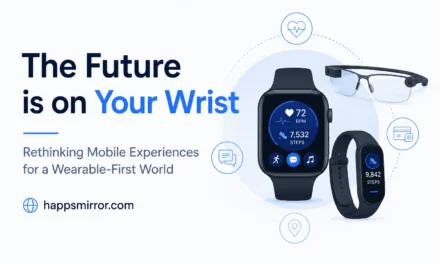
Emerging form factors including foldable devices, smart watches, and augmented reality headsets will benefit from PWA’s inherent responsiveness. Rather than requiring separate development efforts for each new device category, PWAs automatically adapt to new screen sizes and interaction models, future-proofing development investments.
The economic advantages of PWA development become increasingly difficult to ignore as organizations face pressure to do more with constrained resources. The efficiency gains from unified codebases, simplified distribution, and reduced maintenance overhead free resources for innovation and user experience improvements that drive competitive advantage.
Making the PWA Transition
Organizations considering PWA adoption should approach the transition strategically rather than rushing to rebuild everything immediately. Start by identifying use cases where PWA advantages align most strongly with business needs. Customer-facing applications with broad audiences often prove ideal initial candidates since distribution friction reduction provides immediate benefits.
Pilot projects enable teams to build PWA expertise while minimizing risk. Choose contained, well-defined projects that deliver value quickly while teaching lessons applicable to larger initiatives. Success with smaller projects builds internal momentum and demonstrates viability to skeptical stakeholders.
Invest in team education ensuring developers understand PWA-specific concepts, best practices, and common pitfalls. While PWA development leverages familiar web technologies, successful implementation requires understanding service workers, caching strategies, and progressive enhancement approaches that may differ from traditional web development.
Measure results rigorously, tracking metrics including user acquisition costs, engagement rates, conversion metrics, and development velocity. Quantifiable improvements make compelling cases for expanded PWA adoption and justify continued investment in the approach.
Conclusion
Progressive Web Apps represent the convergence of web and mobile development into a unified approach delivering compelling advantages across technical, business, and user experience dimensions. The technology has matured beyond experimental status into a proven approach adopted by industry leaders and innovative startups alike.
For organizations serious about mobile strategy in 2026 and beyond, PWAs deserve careful consideration as either primary development approach or strategic complement to existing native applications. The question isn’t whether PWAs matter, but how quickly your organization can capture the substantial advantages they provide.